One of the most common concerns attorney Anthony Girgis hears from accident victims throughout the San Fernando Valley is: I had a pre-existing back injury or prior medical condition before this accident — does that mean I can’t recover full compensation? The answer under California law is no — and the legal doctrine that protects you is one of the most important in all of personal injury law. Here is what you need to know about pre-existing conditions and your California personal injury claim.
The Eggshell Plaintiff Doctrine
California follows what is known as the eggshell plaintiff doctrine — also called the eggshell skull rule. This doctrine holds that a defendant must take the plaintiff as they find them — meaning the at-fault party is fully responsible for all injuries they caused even if those injuries were more severe because of the plaintiff’s pre-existing condition.
The name comes from an old legal hypothetical — imagine a plaintiff with an eggshell-thin skull. If a defendant negligently strikes that plaintiff and the plaintiff suffers a catastrophic brain injury that a person with a normal skull would not have suffered, the defendant cannot reduce their liability by arguing that a normal person wouldn’t have been so seriously hurt. They take their victim as they find them.
In practical terms, this means that if you had a prior back injury and the car accident aggravated that injury making it significantly worse, you can recover compensation for the full extent of the aggravation — not just what the accident would have caused to a person without any prior condition.
The Difference Between Aggravation and Pre-Existing Conditions
California law draws an important distinction between a pre-existing condition that was aggravated by the accident and a pre-existing condition that was not affected by the accident. You can recover compensation for the aggravation or worsening of your pre-existing condition caused by the accident. You cannot recover compensation for the pre-existing condition itself — only for the portion that the accident made worse.
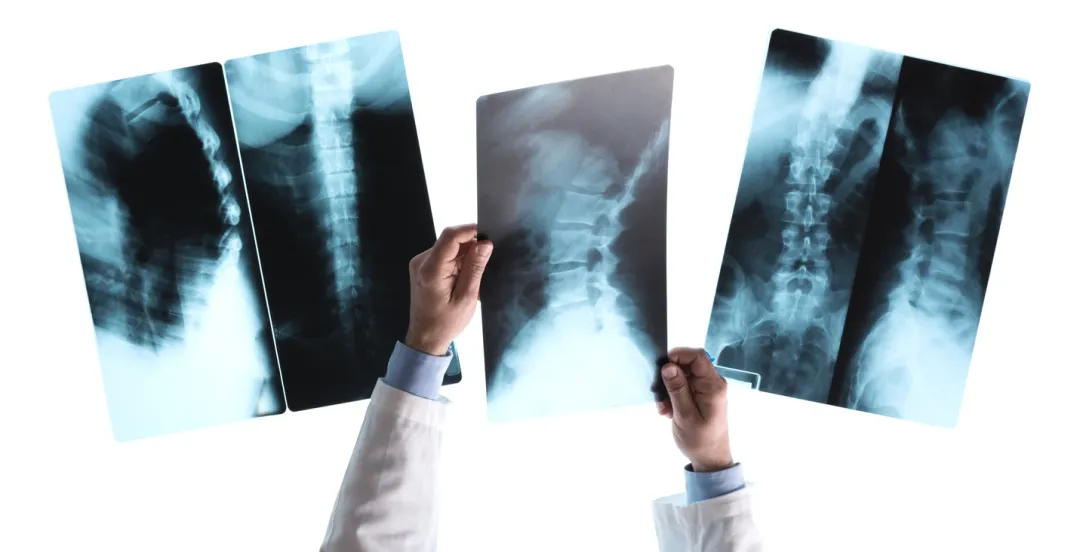
Proving the extent of aggravation requires careful medical evidence including your prior medical records showing your baseline condition before the accident and post-accident medical records documenting how the accident worsened your condition.
How Insurance Companies Use Pre-Existing Conditions Against You
Insurance companies aggressively use pre-existing conditions to minimize personal injury claims. Their most common tactics include arguing that your current symptoms are entirely due to your pre-existing condition and not the accident. The insurance complain may claim that the accident caused no new injury, but merely triggered symptoms of a pre-existing condition. The insurance company may then demand extensive prior medical records and using them to minimize the accident’s impact. They may also retain doctors through the IME process to provide opinions that attribute your symptoms to pre-existing conditions rather than the accident.
How Attorney Anthony Girgis Fights Back
Attorney Anthony Girgis is highly experienced in handling pre-existing condition cases — particularly cases involving prior spinal injuries, disc herniations, arthritis, and other degenerative conditions that are commonly aggravated by car accidents. He works with trusted medical providers throughout the San Fernando Valley who understand how to properly document aggravation of pre-existing conditions and present that documentation compellingly to insurance companies and in litigation.
He applies the eggshell plaintiff doctrine aggressively to ensure that insurance companies cannot use your prior medical history to escape full responsibility for the harm their insured caused.
Injured in a car accident in the San Fernando Valley with a pre-existing condition? Contact Girgis Law Firm APC for a free consultation. Attorney Anthony Girgis represents accident victims throughout Encino, Sherman Oaks, Van Nuys, Northridge, Woodland Hills, and surrounding communities. Call (818) 986-5000 — no fees unless we win.