The Insurance Company’s Initial Valuation Process – How Adjusters Assess Property Damage Claims
When you’re involved in a car accident, understanding how insurance companies value car accident claims starts with property damage assessment. Insurance adjusters typically begin by evaluating your vehicle damage through several key methods.
Insurance companies distinguish between actual cash value (ACV) and replacement cost. ACV accounts for depreciation—what your car was worth at the time of the accident, not what you originally paid. For example, a five-year-old sedan that cost $25,000 new might only be valued at $10,000 after depreciation.
 Replacement cost, meanwhile, represents what you’d pay to replace the vehicle with a similar one, though most auto policies pay ACV rather than replacement cost.
The vehicle damage assessment process usually involves an adjuster inspecting your vehicle in person or reviewing photos you submit through a mobile app. They’ll document visible damage, check for hidden structural issues, and determine whether repairs are economically feasible compared to the vehicle’s value.
Many insurers now rely on computerized estimating systems like CCC ONE or Mitchell to calculate repair costs. These programs contain databases of parts prices, labor rates, and repair times for virtually all vehicle makes and models. For complex cases, insurance companies often bring in third-party appraisers who have no direct financial interest in the outcome, providing a more objective assessment.
Documentation Insurance Companies Require
Proper documentation forms the foundation of any successful claim. Insurance companies typically request:
Police reports provide an official, unbiased account of what happened. They include crucial details like date, time, location, parties involved, witness statements, and sometimes an officer’s opinion about who was at fault. Many insurers won’t process claims without this documentation.
Medical records and treatment documentation demonstrate the nature and extent of your injuries. This includes emergency room visits, doctor’s notes, diagnostic test results, treatment plans, medication prescriptions, and therapy sessions. Keep detailed records of all medical interactions related to your accident.
Proof of lost income and other economic damages helps establish financial impact. This might include pay stubs, employment verification letters, tax returns, and statements from your employer about missed work days. Self-employed individuals should provide business records, appointment books, or tax documents showing typical earnings.
Internal Claims Evaluation Software
Behind the scenes, most major insurance companies use sophisticated software programs to calculate claim values. Colossus, developed by Computer Sciences Corporation, is the most widely used system, employed by about 70% of major insurance companies.
These programs work by assigning numerical values to various aspects of your claim—injury types, treatment duration, medication costs, recovery time, and permanent impairments. The algorithm then factors in your demographic information, jurisdiction tendencies, and similar past claims to generate a settlement range.

While these systems create consistency in how insurance companies value car accident claims, they have significant limitations. They can’t fully account for unique circumstances, emotional trauma, or quality of life impacts. The human element of suffering often gets reduced to data points, potentially undervaluing legitimate claims.
Timeline for Initial Settlement Offers
Most insurers aim to resolve property damage claims within 7-14 days, assuming fault is clear. Bodily injury claims take longer, with initial offers typically coming 30-60 days after you’ve completed medical treatment.
State laws often dictate maximum timeframes for claim processing. For example, California requires insurers to accept or deny claims within 40 days, while Texas gives insurers 15 business days to acknowledge receipt of claims and 15 more days to decide whether to accept or reject them.
Watch for these red flags that might indicate a lowball offer:
- Settlement offers that arrive unusually quickly, before you’ve completed treatment
- Amounts that barely cover your medical bills with little for pain and suffering
- Pressure to accept immediately with “limited time” tactics
- Dismissive attitudes about your injuries or future complications
Recognizing these tactics is crucial for effective settlement negotiation in injury cases.
How Insurance Companies Value Medical Claims and Injuries
The Multiplier Method Explained
When you’re wondering how insurance companies value car accident claims, the multiplier method is one of the most common approaches. Insurance adjusters start by adding up all your “special damages” – these are your quantifiable economic losses including medical bills, medication costs, therapy expenses, lost wages, and property damage.
Once they have this total, they multiply it by a factor between 1.5 and 5 to account for your “general damages” – the non-economic impacts like pain and suffering, emotional distress, and loss of enjoyment of life.
The severity of your injuries largely determines which multiplier is used:

- 1.5-2x: Minor injuries with complete recovery (sprains, small cuts)
- 2-3x: Moderate injuries requiring several months of treatment (broken bones, minor burns)
- 3-4x: Serious injuries with longer recovery periods (compound fractures, severe burns)
- 4-5x: Severe or permanent injuries (spinal damage, traumatic brain injury)
Higher multipliers (sometimes even exceeding 5x) might apply in cases involving permanent disability, disfigurement, or when injuries dramatically affect your quality of life. For example, a young athlete suffering career-ending injuries might receive a higher multiplier than an office worker with identical medical bills.
The Per Diem Approach to Pain and Suffering
Some insurance companies use a “per diem” (daily rate) method instead. This approach assigns a specific dollar amount to each day you suffer from your injuries, from the accident date until you reach maximum medical improvement.
Insurance adjusters typically set this daily rate based on:
- Your actual daily earnings
- The severity of your pain
- How the injuries interfere with daily activities
Strong documentation is crucial when supporting per diem calculations. Keep a detailed pain journal noting pain levels, medication needs, missed activities, and emotional impacts. Medical records showing ongoing treatment also strengthen your case.
When comparing outcomes, the per diem approach often yields higher settlements for shorter-term injuries, while the multiplier method usually benefits those with serious injuries and substantial medical bills.
Long-Term and Permanent Injury Considerations
For cases involving long-term or permanent injuries, insurance companies must project future costs.
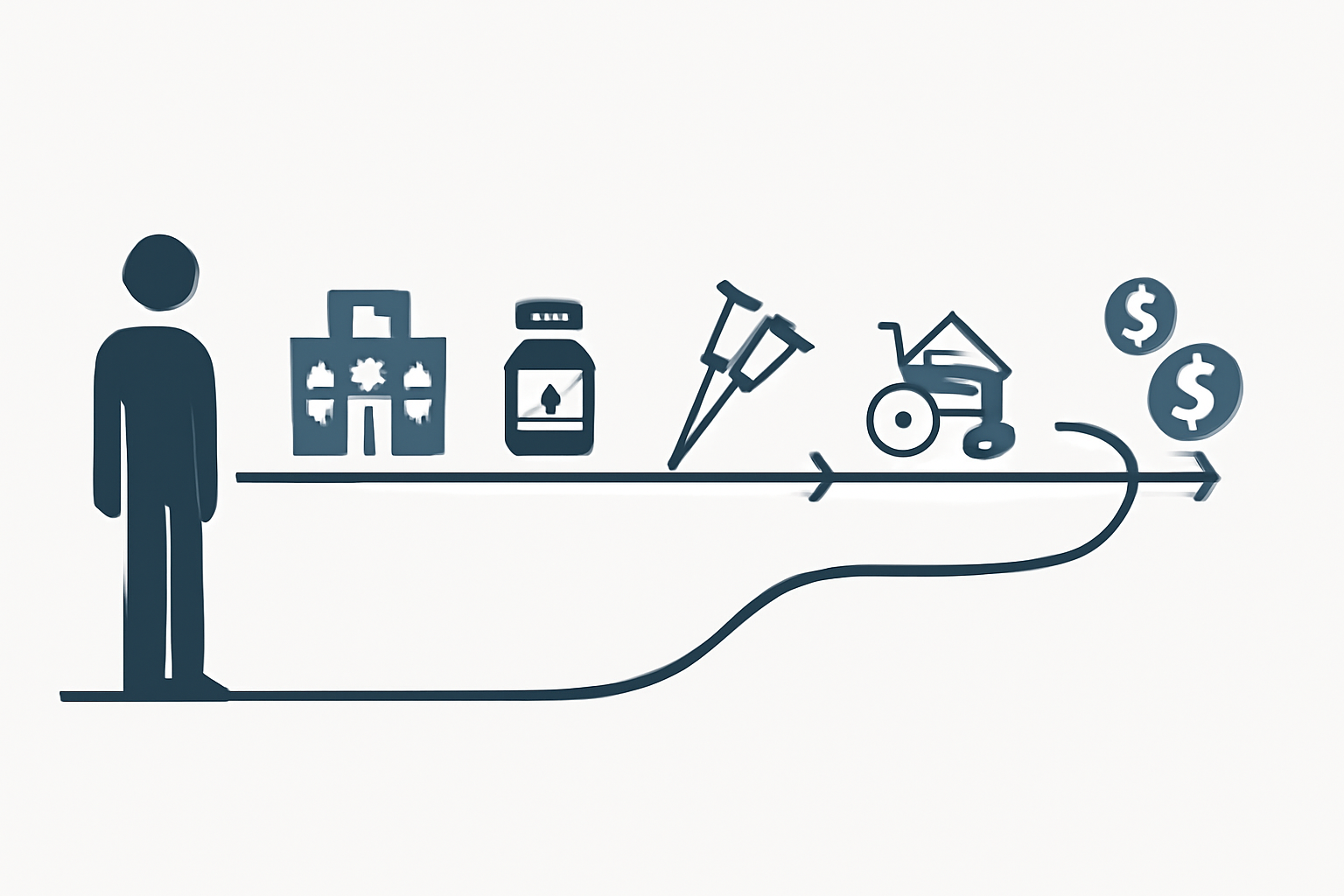 They typically analyze:
- Expected future surgeries and treatments
- Ongoing therapy and medication needs
- Necessary medical equipment and home modifications
- Lost earning capacity over your remaining work years
In severe cases, they may consult life care planning experts who create comprehensive reports outlining all anticipated lifetime medical needs with associated costs. These experts also evaluate diminished quality of life, factoring in your age, pre-accident lifestyle, and the specific limitations imposed by your injuries.
Pre-existing Conditions and Their Impact
Insurance adjusters frequently use pre-existing conditions to minimize settlement offers. While they must compensate you for any aggravation of existing conditions (the “eggshell plaintiff” rule), they’ll try to attribute your symptoms to those pre-existing issues.
To counter this, you’ll need:
- Medical records clearly distinguishing between pre-accident and post-accident symptoms
- Expert medical opinions linking new or worsened symptoms to the accident
- Documentation showing you were stable before the accident
Common devaluation tactics include claiming your treatment was unnecessary or that you would have needed it regardless of the accident. Settlement negotiation tips for injury cases involving pre-existing conditions include obtaining detailed medical opinions that specifically address causation.
Medical Bill Treatment Caps and Reasonableness Standards
Insurance companies don’t automatically accept all medical bills at face value. They evaluate treatments using “reasonable and necessary” standards, often questioning:
- Whether less expensive alternatives existed
- If the treatment matched standard protocols for your diagnosis
- The duration and frequency of care
Many insurers use software that compares your bills against regional averages, flagging anything above typical costs. They might also impose treatment caps based on internal guidelines for specific injuries.
Insurance companies frequently require independent medical examinations (IMEs) conducted by doctors they select. These examinations often result in opinions that you’ve reached maximum improvement or that further treatment isn’t necessary – giving insurers justification to limit or end benefits.
Additional Factors That Influence Settlement Calculations
Policy Limits and Their Role in Settlement Caps
Insurance policy limits create an absolute ceiling on what an insurance company will pay—regardless of your claim’s actual value. When insurance companies value car accident claims, these limits are non-negotiable barriers to full compensation.
State minimum coverage requirements vary dramatically across the US.
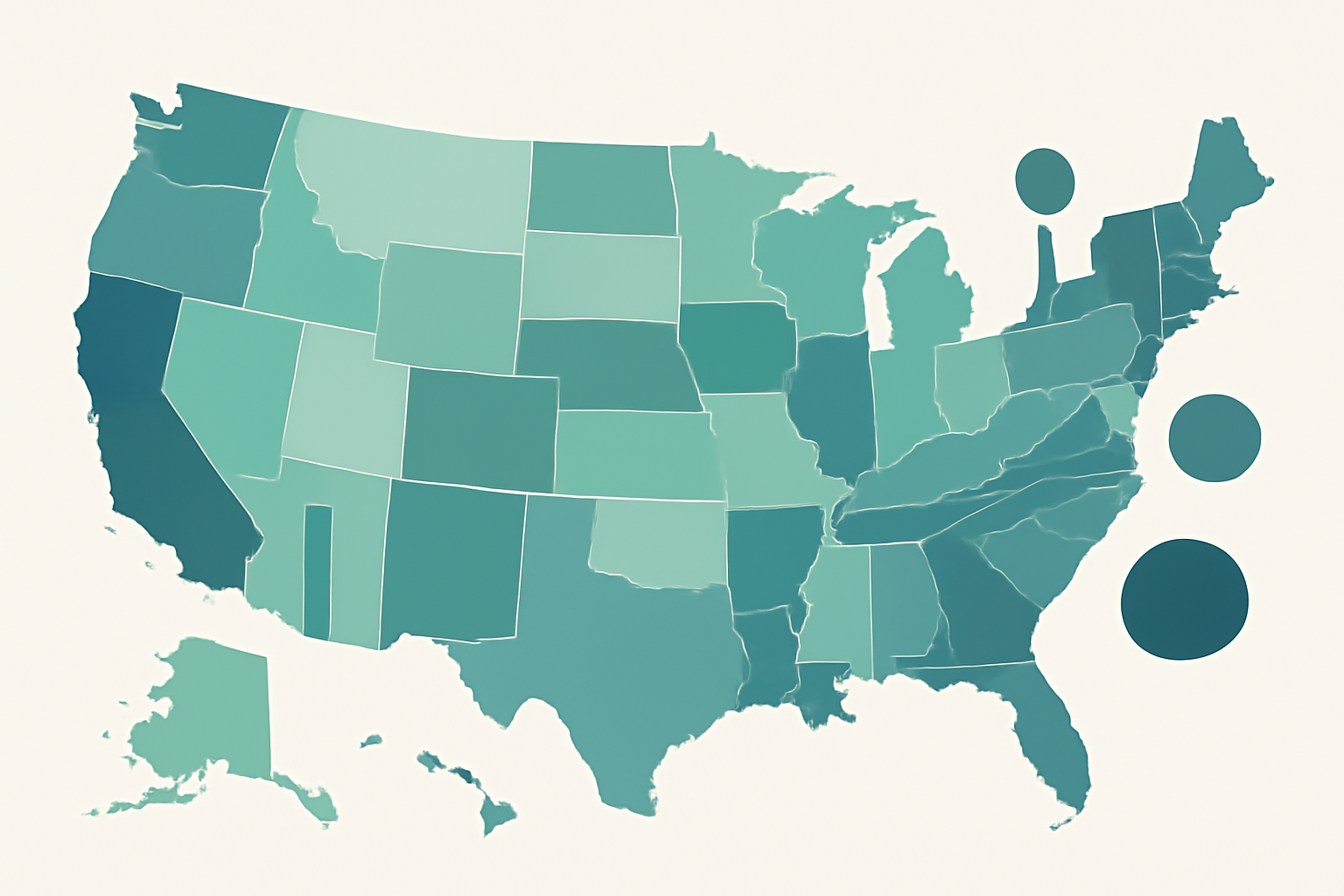
For example, California requires only $30,000 per person for bodily injury, while Alaska mandates $50,000. These minimums often prove woefully inadequate for serious accidents, leaving victims undercompensated.
In some cases, multiple insurance policies might apply to increase available compensation:
- The at-fault driver’s policy
- Your own underinsured motorist coverage
- Umbrella policies held by either party
- Employer policies (if the accident occurred during work duties)
“Stacking” coverage means combining multiple policy limits. Some states permit stacking of underinsured motorist coverages, potentially doubling or tripling your available compensation. However, many insurance contracts explicitly prohibit stacking, and about half of states allow these anti-stacking provisions.
Comparative and Contributory Negligence Rules
How insurance companies assign blame dramatically impacts settlement offers. If you’re deemed partially responsible for your accident, expect a reduced settlement offer.
State negligence laws fall into three categories:

1. **Pure comparative negligence** (used in 13 states): Your settlement decreases by your percentage of fault, with no threshold. Even if you’re 99% at fault, you can still recover 1% of your damages.
- Modified comparative negligence (33 states): You can recover damages reduced by your fault percentage, but only if you’re less than 50% (or in some states 51%) responsible.
- Contributory negligence (4 states and DC): If you contributed to the accident even minimally, you may receive nothing.
Insurance adjusters use police reports, witness statements, photos, and expert accident reconstructions to establish fault percentages. Having strong documentation can significantly impact how much insurers offer.
Special Circumstances: Children, Elderly, and High-Income Victims
Age and income significantly affect how insurance companies calculate settlements:
Children typically receive higher settlements because they:
- May face longer recovery periods
- Could experience developmental impacts
- Often generate more jury sympathy
- May have unique future earnings potential
Settlements involving minors usually require court approval to ensure the child’s interests are protected.
Elderly victims might receive lower offers based on shorter life expectancy and pre-existing conditions, though this approach often undervalues their pain and suffering.
High-income professionals can claim substantially higher lost wages and earning capacity. A neurosurgeon with a hand injury might receive dramatically more than a retail worker with the same injury, reflecting their income differential.
Local Jurisdiction and Venue Considerations
Insurance companies track verdict histories by county and adjust settlement offers accordingly. “Plaintiff-friendly” jurisdictions with histories of generous jury awards typically generate higher settlement offers than conservative rural counties.
The urban/rural divide is real—metropolitan areas generally see settlements 30-40% higher than rural regions for identical injuries. This reflects both jury tendencies and higher local medical costs.
State-specific damage caps can absolutely limit your recovery. For example, Colorado caps non-economic damages at $250,000 (with exceptions), while California has a $250,000 cap on non-economic damages in medical malpractice cases. These caps give insurance companies leverage during settlement negotiation for injury cases, as they know the maximum exposure they face at trial.
Effective Settlement Negotiation Strategies
Preparing a Demand Package That Maximizes Value
A well-crafted demand package can significantly increase how insurance companies value car accident claims. Your demand letter should start with a clear narrative of the accident, detailing how the other party was at fault. Include a comprehensive list of all damages: medical expenses, lost wages, property damage, and pain and suffering.
Support your claims with compelling documentation.
 Medical records should show all treatments, diagnoses, and prognoses. Pay stubs and employer statements can verify income loss. Photos of injuries, damage to your vehicle, and the accident scene provide visual evidence that’s hard to dispute. Also include witness statements that back up your version of events.
Timing matters too. Submit your demand after reaching maximum medical improvement (MMI) – the point where your condition has stabilized. Sending demands too early could leave out future medical costs, while waiting too long might bump against statutes of limitations. Generally, serious injury claims should wait until treatment is complete or a long-term prognosis is established.
Recognizing and Countering Lowball Tactics
Insurance adjusters commonly use several devaluation strategies. They might question medical treatment necessity, claim your injuries existed before the accident, or suggest gaps in treatment indicate your injuries weren’t serious. Some might overwhelm you with paperwork or delay responses hoping you’ll accept less out of frustration.
When facing a low initial offer, stay calm and ask the adjuster to explain how they reached that figure. Point out specific items they’ve overlooked or undervalued, and restate the impact your injuries have had on your life. Never accept a first offer – counter with a slightly reduced amount from your initial demand to signal willingness to negotiate while still valuing your claim appropriately.
If negotiations stall, request to speak with a supervisor. This often works because supervisors typically have higher settlement authority and may review your case with fresh eyes. Document all conversations with dates, names, and discussion points.
Using Medical Experts and Economic Loss Specialists
Expert opinions become crucial when insurance companies dispute the nature, cause, or extent of your injuries. Medical specialists can establish direct links between the accident and your injuries, particularly with complex conditions like traumatic brain injuries or when pre-existing conditions were aggravated.
Different claim elements require different experts. Orthopedic surgeons can testify about long-term physical limitations, while vocational rehabilitation specialists assess work capacity limitations. Economic experts calculate lifetime earning losses for serious injury cases.
While experts add costs ($1,000-$5,000+ depending on specialty), they often pay for themselves in settlement negotiation tips for injury cases. Consider experts when dealing with permanent injuries, disputed liability, or when settlement offers fall significantly below your damages.
When to Consult an Attorney for Settlement Negotiations
Certain cases almost always benefit from legal representation: those involving severe injuries, permanent disabilities, complex liability questions, or bad faith insurance practices. When multiple parties share fault or coverage issues arise, attorneys can navigate these complexities far better than most claimants.
Attorney involvement transforms how insurance companies value car accident claims. Insurance companies track which attorneys regularly go to trial and win – these attorneys typically receive better initial offers. Lawyers also have access to specialized resources, understand complex legal doctrines, and recognize the true value of claims based on similar case outcomes.
While attorneys typically charge 33-40% of your settlement as a contingency fee, their involvement often results in settlements 3-4 times higher than what unrepresented claimants receive, even after fees.
 This is especially true for cases involving serious injuries or substantial damages.