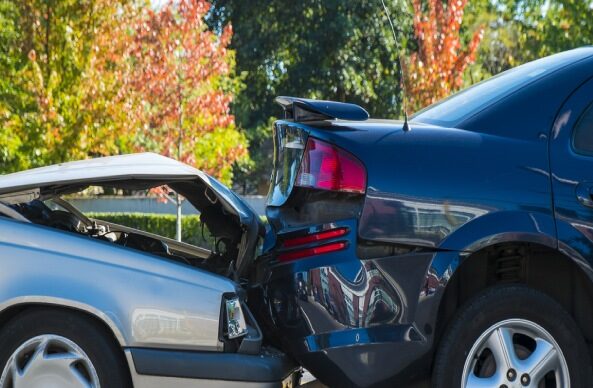
Immediate Actions After a Car Accident in Los Angeles
Ensure Safety and Check for Injuries
The moments right after a car accident are critical. If you’ve just been in a collision on LA’s busy streets or highways, take these immediate steps:
First, try to pull over to a safe location if your vehicle is drivable. Los Angeles traffic can be dangerous, and staying in active lanes puts you at risk for secondary collisions. Move to the shoulder, a nearby parking lot, or any area away from traffic flow.

Turn on your hazard lights immediately to alert other drivers. If you have emergency reflectors or flares in your vehicle (which are recommended as part of a basic car accident checklist California drivers should keep), set these up to increase visibility, especially at night or in poor weather conditions.
Before doing anything else, check yourself for injuries. Adrenaline can mask pain, so be thorough. Then check on your passengers. Even if injuries seem minor, note any symptoms—dizziness, pain, or discomfort could indicate more serious issues.
Call 911 right away if anyone appears injured. Los Angeles emergency services are equipped to respond quickly to accident scenes. While waiting for help, keep injured persons still and comfortable, but don’t move someone with potential neck or back injuries unless there’s immediate danger.
California Law Requirements for Accident Reporting
California law requires you to report accidents that result in injuries or property damage exceeding $1,000. In Los Angeles, you should report the accident to both local police and the California Highway Patrol if it occurs on a highway.
Within 10 days of any reportable accident, you must file an SR-1 form (Traffic Accident Report) with the DMV. This is mandatory regardless of who was at fault. Failure to file this form can result in driver’s license suspension.
The penalties for leaving the scene of an accident in California are severe. A hit-and-run involving injuries is a criminal offense that can result in jail time, substantial fines, and license revocation.
For Los Angeles accidents, contact the LAPD Traffic Division at (213) 486-0690 or visit your nearest station to file a report.
Gathering Critical Information at the Scene
What to do after a car accident in Los Angeles includes collecting comprehensive information. Exchange the following with all drivers involved:
- Full names and contact information
- Insurance company names and policy numbers
- Vehicle make, model, year, license plate
- Driver’s license numbers
Don’t overlook witnesses. Their testimony could be crucial if fault is disputed later. Ask for their names and phone numbers, and if they’re willing, record a brief statement about what they saw.
Use your smartphone to thoroughly document the scene.
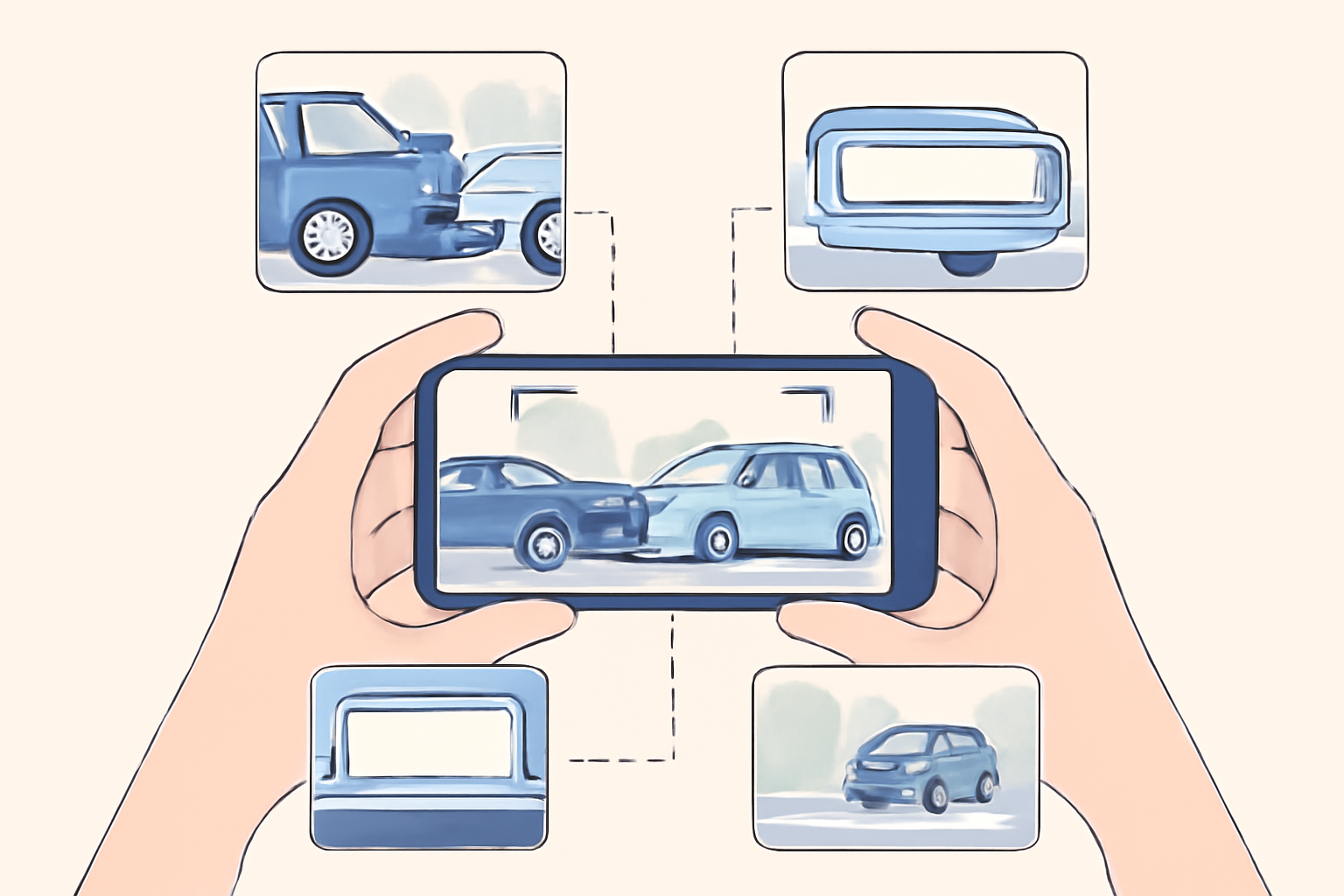 Take photos from multiple angles of:
- All vehicles involved showing damage
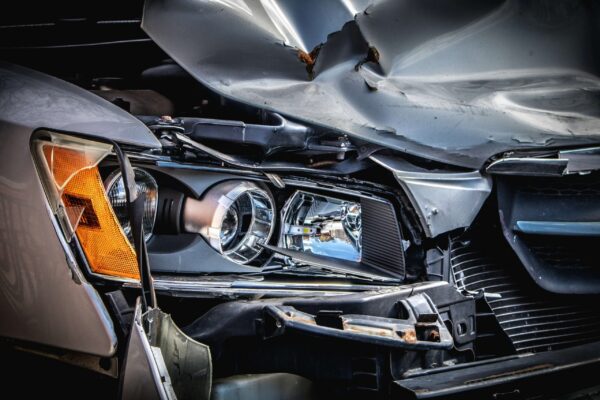
- Close-ups of the damages
- License plates
- The overall accident scene showing vehicle positions
- Skid marks or debris
- Relevant traffic signs or signals
- Weather and road conditions
Seeking Medical Attention
Even if you feel fine after a crash, see a doctor within 24-48 hours. Many car accident injuries don’t show symptoms immediately. Whiplash, concussions, and soft tissue injuries often develop days after the incident.
Common delayed-onset injuries include:
- Neck and shoulder pain
- Headaches
- Back pain
- Numbness or tingling
- Abdominal pain (which could indicate internal bleeding)
Los Angeles has excellent emergency facilities near major highways, including Cedars-Sinai Medical Center near the 10 Freeway, UCLA Medical Center near the 405, and Good Samaritan Hospital near downtown.
Your medical records will be crucial for any insurance claim or potential legal action. After car crash, lawyer advice typically emphasizes keeping detailed documentation of all medical visits, treatments, and expenses.
Post-Accident Procedures in California
Notifying Your Insurance Company
After ensuring safety and gathering information at the accident scene, your next crucial step in your car accident checklist California is contacting your insurance company. Report the accident as soon as possible—ideally within 24 hours. Most insurers offer multiple reporting options: their mobile app, website, or a direct call to their claims department.
When you make this call, have this information ready:
- Your policy number and coverage details
- Date, time, and location of the accident
- Names and contact information of all drivers involved
- License plate numbers and vehicle descriptions
- Police report number (if police were called)
- Photos of the accident scene and damages
California follows “comparative negligence” laws, meaning responsibility can be shared between parties based on their percentage of fault.
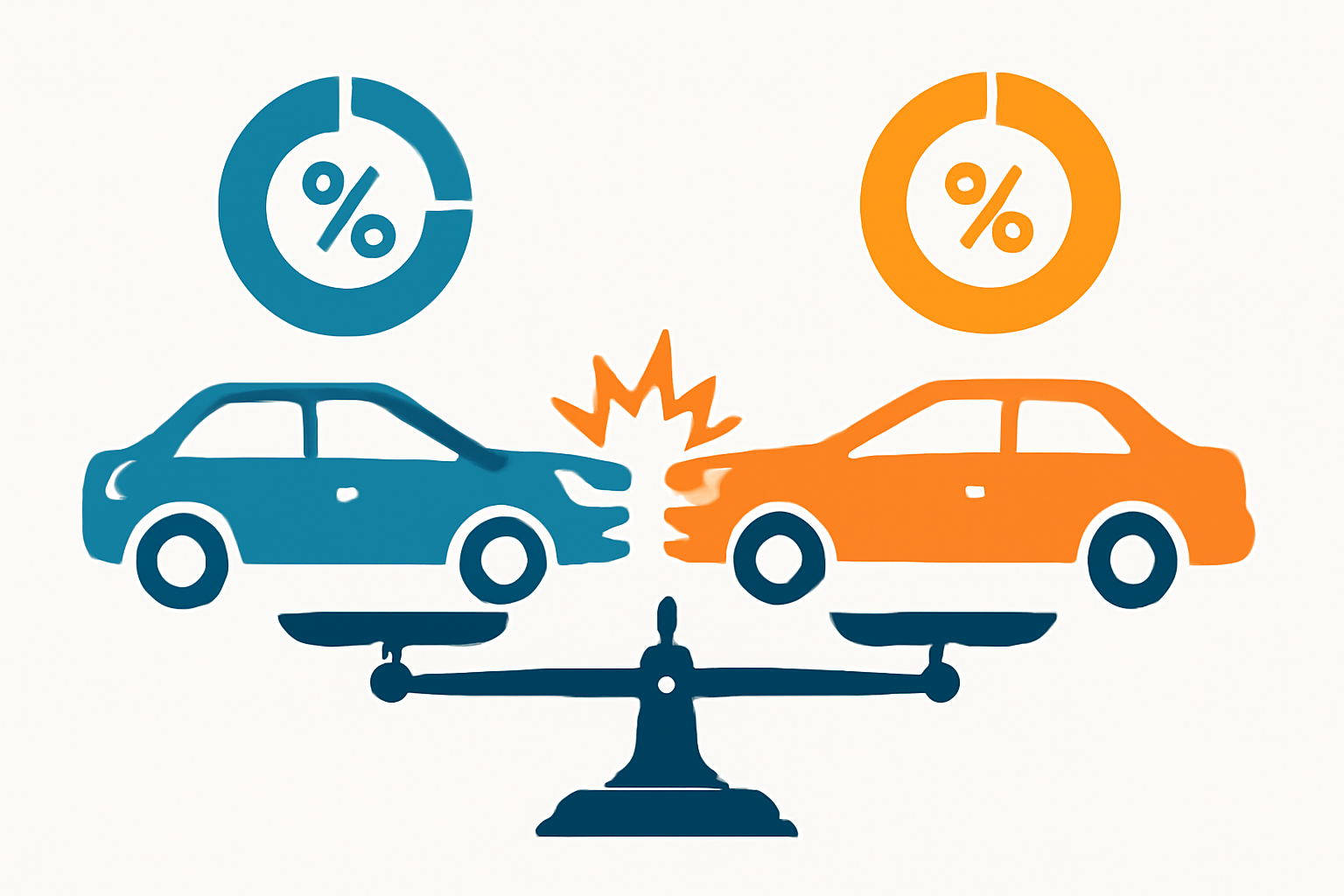 This directly impacts your settlement amount—if you’re found 20% at fault, you’ll receive 80% of the total damages awarded.
Be careful with what you say to insurance representatives. Avoid admitting fault, speculating about what happened, or providing recorded statements without careful consideration. Stick to the facts—what you experienced and observed—without interpretation or assumption.
Dealing with the Other Party’s Insurance
In California’s fault-based insurance system, the at-fault driver’s insurance typically covers damages. After the accident, the other driver’s insurance company may contact you directly. Remember that their primary goal is to minimize their company’s payout.
When speaking with the other party’s insurance adjuster:
- Be polite but guarded in your responses
- Provide only factual information about the accident
- Don’t agree to a quick settlement before understanding your injuries and damages
- Consider having all communication in writing or email
If the other driver is uninsured or underinsured (a common problem in Los Angeles), you’ll need to turn to your own uninsured/underinsured motorist coverage if you have it. This coverage can be crucial in covering your medical expenses and vehicle damage when the at-fault party lacks adequate insurance.
California insurance claims typically resolve within 30-90 days, though complex cases may take longer. The insurance company must acknowledge your claim within 15 days and accept or deny it within 40 days after receiving proof of loss.
Understanding When to Contact a Los Angeles Car Accident Attorney
While minor fender-benders might not require legal representation, consider consulting with a car crash lawyer for advice if:
- You’ve sustained serious injuries requiring extensive medical treatment
- The accident resulted in significant time off work
- Fault is disputed between parties
- Multiple parties are involved (other vehicles, pedestrians, or businesses)
- Your insurance company is denying or undervaluing your claim
- The accident involved a government vehicle or occurred in a construction zone
Remember that California has a two-year statute of limitations for personal injury claims arising from car accidents. Miss this deadline, and you’ll likely lose your right to seek compensation forever.
An experienced Los Angeles attorney can negotiate with insurance companies from a position of strength, calculate the full value of your claim (including future medical needs), and represent you in court if necessary.
 Many offer free initial consultations and work on a contingency basis, meaning they only get paid if you receive compensation.
Obtaining Your Accident Report in Los Angeles
To get your official accident report in Los Angeles, you have two options:
- Online: Visit the LAPD website and complete their online request form
- In Person: Visit the LAPD Records and Identification Division or the specific division where the report was filed
Reports typically become available 10 business days after the accident. You’ll need:
- Date, time, and location of the accident
- Your name and other involved parties’ names
- Your driver’s license number
- The report number (if provided by responding officers)
The cost ranges from $15-30 depending on report complexity. If you find errors in your report, you can submit a correction request through the investigating officer’s division, though material facts are rarely changed without compelling evidence.
Recovering Costs and Moving Forward
After a Los Angeles car accident, managing the financial aftermath is critical:
For vehicle repairs, you have the right to choose your own repair shop rather than using one recommended by the insurance company. If your car is unusable, reasonable rental car expenses should be covered by the at-fault driver’s insurance while repairs are completed.
California law allows for recovery of lost wages when injuries prevent you from working. Document all missed work time with notes from your employer and doctor.
While waiting for settlement, many medical providers will treat you on a “medical lien” basis, agreeing to be paid from your eventual settlement. Some may bill your health insurance, which will then seek reimbursement from your settlement.
When evaluating settlement offers, consider:
- All current and future medical expenses
- Complete lost wages and impacts on earning potential
- Pain, suffering, and quality of life changes
- Any permanent disability or disfigurement
Don’t rush to accept the first offer—initial settlements are often significantly lower than what you deserve and what you might receive after skilled negotiation.